Table of Contents
Picture this: the Indian Ocean is glassy and pink with dawn, and your boat is already three miles off the south coast of Sri Lanka. Then the captain cuts the engine, points, and a blue whale — the largest animal that has ever lived — breaks the surface and blows a plume of sea spray into the morning air. That is what a whale watching Mirissa Sri Lanka tour delivers, and it is one of the most moving experiences I have ever guided.
Mirissa is a small fishing village on the south coast, but its waters hold something extraordinary. Blue whales gather here in numbers found almost nowhere else on Earth, joined by sperm whales, Bryde’s whales, dolphins, and whale sharks. Every year, travelers from around the world book a whale watching Mirissa Sri Lanka trip to witness these giants, and I have watched guests cry happy tears when the first whale surfaces. For many, that first surfacing is the moment their whale watching Mirissa Sri Lanka trip becomes the highlight of the whole holiday.
This guide covers everything you need to plan the perfect whale watching Mirissa Sri Lanka experience: what you will see, when to go, what it costs, how to choose an ethical operator, and how to fit a whale watching Mirissa Sri Lanka tour into your wider itinerary.
Why Mirissa Is Sri Lanka’s Whale Watching Capital
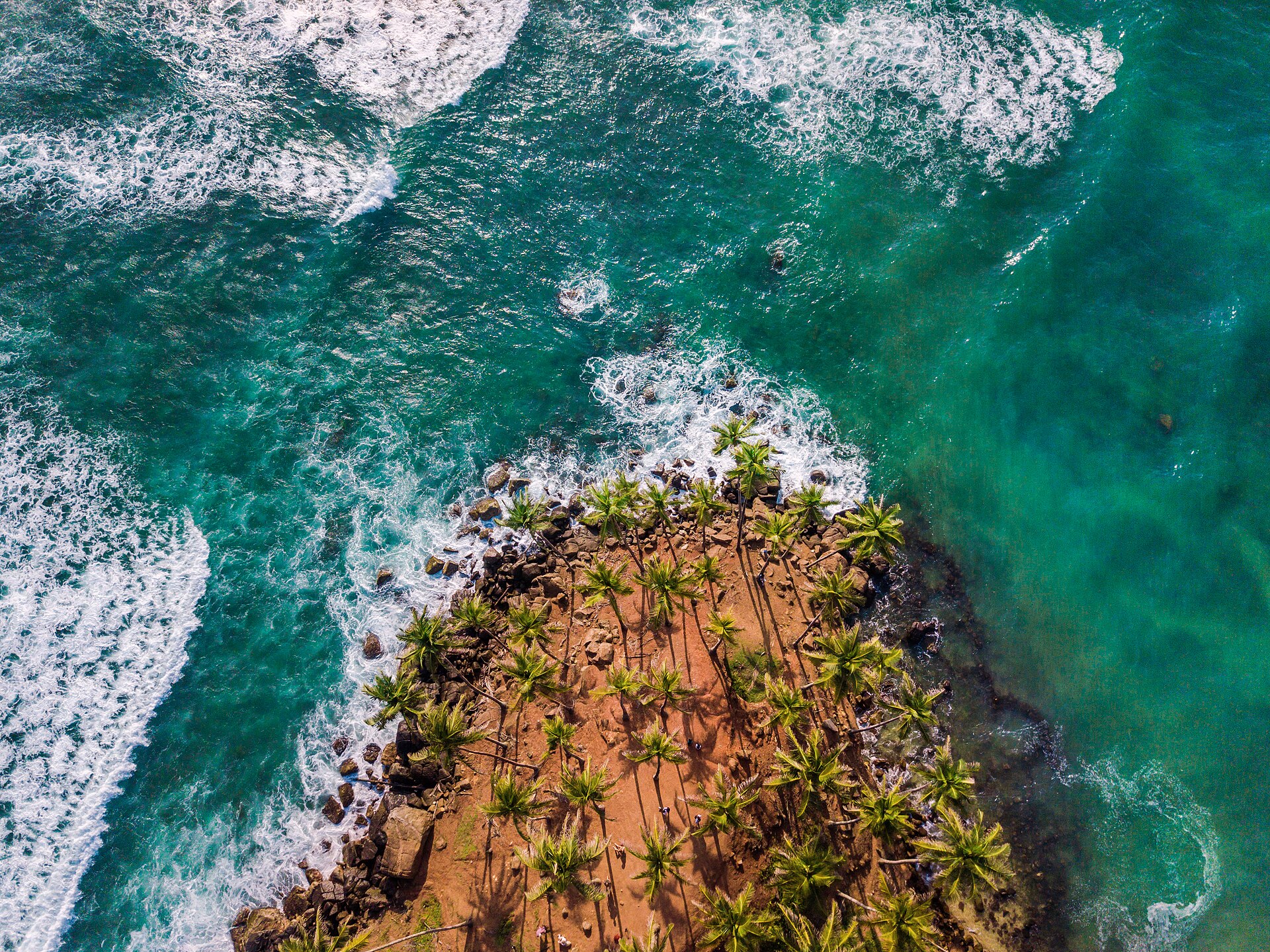
Whale watching in Sri Lanka began in Mirissa, and the village remains the heart of the country’s marine tourism. The continental shelf drops steeply just a few miles offshore, which pushes deep, plankton-rich waters close to the coast. That is exactly where blue whales love to feed, and it is why a whale watching Mirissa Sri Lanka tour can reach the whales in under an hour.
According to the International Whaling Commission’s Whale Watching Handbook, Sri Lanka’s blue whale population is one of the most accessible in the world, and Mirissa is one of the three main whale and dolphin watching areas on the island, alongside Trincomalee and Kalpitiya. For most travelers, a whale watching Mirissa Sri Lanka trip is the highlight of their entire holiday.
The town itself adds to the charm. Mirissa has a relaxed beach vibe, great seafood, and a famous coconut-tree viewpoint, so the day fits into a broader south coast itinerary. Many guests combine a whale watching Mirissa Sri Lanka morning with an afternoon on the beach — the perfect balance of adventure and rest.
Blue Whale Watching Mirissa — The Largest Animal on Earth
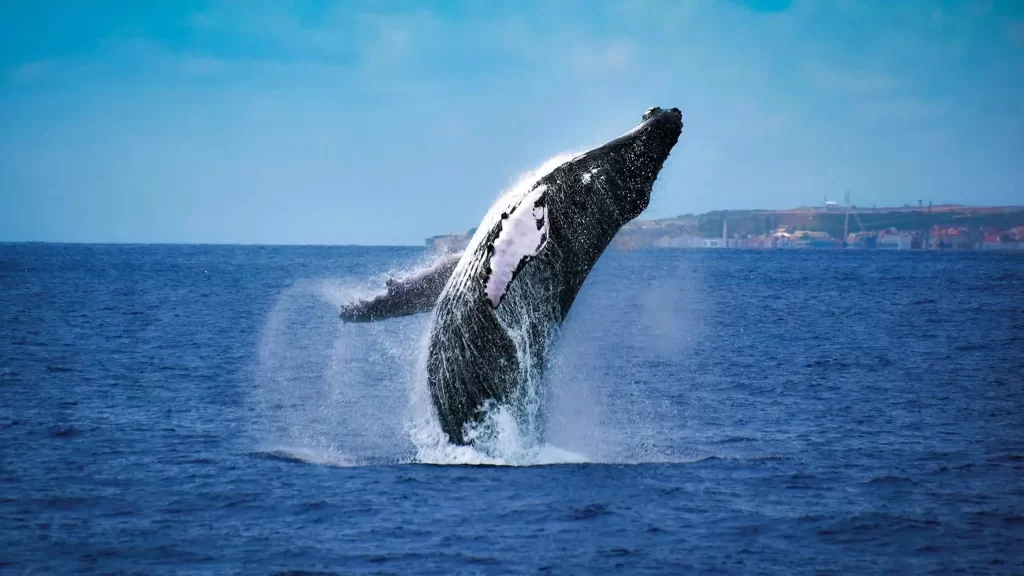
Here is the headline: the blue whale is the largest animal to have ever existed — bigger than any dinosaur — and you can see it from a small boat off Mirissa. A blue whale watching Mirissa outing offers encounters that most people only dream of, and the south coast of Sri Lanka is one of the few places on Earth where these giants appear with real regularity.
Blue whales grow up to 30 meters long and can weigh over 150 tons. Their heart alone is the size of a small car, and seeing one up close is why a whale watching Mirissa Sri Lanka tour belongs on every bucket list. When one surfaces near your boat, you hear its blow before you see it — a deep, whooshing exhale that carries across the water. Then the vast blue-gray back rolls past, and for a few seconds, the whole world goes quiet.
These whales migrate between the southern hemisphere and the waters around Sri Lanka, passing close to the coast from November to April. That timing is what makes the whale watching Mirissa Sri Lanka season so reliable. Our captains know the feeding grounds, the currents, and the whales’ rhythms, so a blue whale watching Mirissa trip with us gets straight to where the action is.
Whales, Dolphins & More — What You Can Spot
Blue whales are the stars, but they are far from the only show. Sperm whales — the deep-diving giants of Moby-Dick fame — are common in these waters, and their blocky heads and angled blows are unmistakable. If you join a whale watching Mirissa Sri Lanka trip between December and March, you stand an excellent chance of ticking off several species in a single morning. Bryde’s whales and fin whales also appear, and lucky groups occasionally spot orcas and pilot whales.
Dolphins are almost guaranteed. Spinner dolphins, common dolphins, and bottlenose dolphins travel in large pods, often riding the bow wave of your boat for minutes at a time. Guests squeal with delight as the dolphins leap and spin in the spray — it is pure joy, and it happens on nearly every whale watching Mirissa Sri Lanka trip.
The extras are a bonus: whale sharks in the warmer months, sea turtles cruising past, flying fish skimming the waves, and manta rays gliding beneath the hull. Keep your camera ready the whole trip, because the ocean here never stops surprising. Our guides narrate every sighting, turning a whale watching Mirissa Sri Lanka tour into a floating natural-history lesson.
Whale Watching Season Mirissa — When to Go
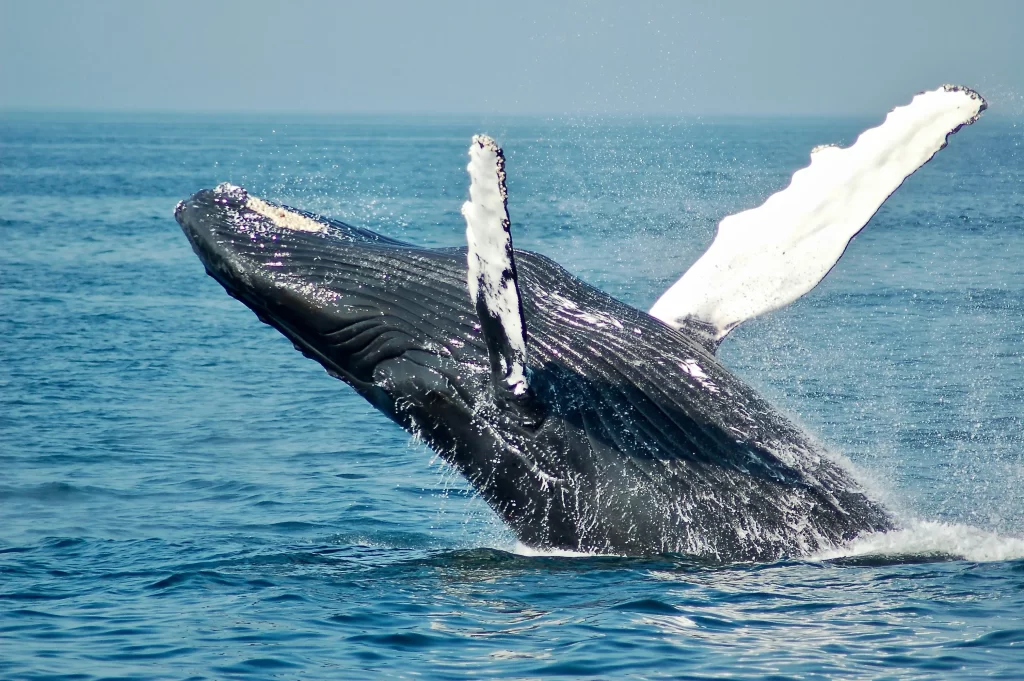
The main whale watching season Mirissa runs from November to April, when the seas are calm and the blue whales migrate through Sri Lankan waters. December through March is the peak, offering the best weather, the calmest ocean, and the highest sighting rates. The whale watching season Mirissa peaks in these months because the southwest monsoon has ended and the ocean is at its gentlest.
From May to October, the southwest monsoon makes the seas rough. Whales can still be seen, but the swell is uncomfortable, sighting rates drop, and seasickness becomes a real risk. Most responsible operators — including us — recommend against whale watching Mirissa Sri Lanka trips in the heart of the monsoon, though conditions vary week to week and we always check the forecast before confirming a booking.
One more seasonal note: whale watching also runs in Trincomalee on the east coast from May to September, which is a great alternative if you visit Sri Lanka in the summer months. For the south coast, though, November to April is the clear winner, and we time every whale watching Mirissa Sri Lanka booking to the best conditions.
Trips run year-round from Mirissa, but our honest advice is simple: book between November and April for the best experience. For a month-by-month view of the island’s weather, see our best time to visit Sri Lanka guide.
What a Mirissa Whale Watching Tour Includes
A typical Mirissa whale watching tour starts early — very early. You meet at the harbor between 5:30 and 6:00 AM, when the boats are prepped and the ocean is calmest. By 6:30 to 7:00 AM you are underway, and within 30 to 60 minutes the boats are usually spreading out across the whale grounds.
The trip lasts 3 to 5 hours, with about 2 to 3 hours spent actively searching for whales. Most boats serve a light breakfast, fresh fruit, and drinks on board, and larger vessels have toilet facilities. When a whale is spotted, the captain positions the boat carefully — ethically — so everyone gets a clear view without crowding the animal.
Every Mirissa whale watching tour we arrange includes hotel pickup in the Mirissa area, an experienced captain and crew, safety briefings, life jackets, and an English-speaking guide who explains each species you encounter. On the way back, we often pass close to Parrot Rock and the beaches of Weligama, giving you a mini coastal tour to end the morning.
By 10:30 to 11:30 AM you are back on shore, with the whole afternoon free — which is exactly why a whale watching Mirissa Sri Lanka tour fits so neatly into a busy itinerary. That makes a Mirissa whale watching tour a perfect morning activity — you see the giants of the ocean and still have time for lunch, the beach, or a surf lesson at Weligama.
Mirissa Whale Watching Price — 2026 Rates & What’s Included
Let’s talk numbers, because transparency matters. The Mirissa whale watching price depends on three things: the type of boat, the operator, and the government wildlife tax that is charged per passenger. Here are the typical 2026 rates, so you know what a fair whale watching Mirissa Sri Lanka tour should cost.
| Option | Typical Rate (2026) | Notes |
|---|---|---|
| Shared big boat — adult (12+) | $50-65 per person | Includes the $20 government wildlife tax |
| Shared big boat — child (5-11) | $25-35 per person | Includes the $10 child wildlife tax |
| Children under 5 | Free of charge | On most operators |
| Shared speed boat — adult | $70-95 per person | Faster, smaller groups, closer to the water |
| Private speed boat charter | $250-400 per boat | Up to 6-10 guests, flexible timing |
The wildlife tax is set by the government and is the same on every licensed boat, so if an operator quotes you far below these numbers, ask what is actually included. A genuine whale watching Mirissa Sri Lanka deal is transparent about every line item. The Mirissa whale watching price on a reputable boat always covers the tax, crew, safety equipment, and basic refreshments.
Our whale watching Mirissa Sri Lanka package is quoted all-in with no surprises: pickup and drop-off in the Mirissa area, the whale watching tour, the wildlife tax, a guide, and water. We can also combine the tour with lunch, a beach day, or a transfer to your next destination, which often works out cheaper than booking each piece separately.
Official guidance for the industry comes from the Sri Lanka Tourism Development Authority’s whale and dolphin watching guidelines, which licensed operators are required to follow. When you book a whale watching Mirissa Sri Lanka tour through us, you are booking with a licensed, guideline-compliant operator every time.
Big Boat vs Speed Boat — Which Is Right for You?
Mirissa offers two very different whale watching experiences, and the choice matters more than most travelers expect. Both are excellent, but they suit different people. Here is an honest comparison from our experience at sea.
| Big Boat | Speed Boat | |
|---|---|---|
| Capacity | 30-60 passengers | 6-12 passengers |
| Stability | Very stable, less seasickness | Lively ride, more motion |
| Speed | Slower, covers less ground | Fast, reaches whales quickly |
| Viewing | Higher deck, wide views | Closer to the water, more intimate |
| Price | From $50 | From $70, private from $250 |
| Best for | Families, first-timers, those prone to seasickness | Photographers, small groups, adventure seekers |
Our honest advice: if it is your first time or you are prone to seasickness, take the big boat. It is stable, comfortable, and still delivers world-class sightings. If you are a photographer, a couple, or a small group who wants a more personal experience, the speed boat gets you closer to the action — literally — and can chase a sighting more nimbly. Either way, a whale watching Mirissa Sri Lanka morning delivers the same unforgettable encounters.
Whichever you choose, a whale watching Mirissa Sri Lanka trip with us is capped at a sensible group size, and we never overbook. That is rare in Mirissa, where some big boats squeeze in 80 people. We would rather you have room to move and a clear view than a cheaper seat in a crowd.
Ethical Whale Watching in Mirissa — Choose Responsibly
Here is the honest truth: Mirissa’s rapid growth has brought problems. Some operators crowd, chase, and harass whales for guaranteed sightings, and this stress harms the very animals travelers come to admire. The good news is that the government has stepped in, and responsible operators are easy to find if you know what to look for. Choosing a responsible boat is the single most important decision in planning your whale watching Mirissa Sri Lanka tour.
Sri Lanka now enforces whale and dolphin watching regulations, and the official Sri Lanka Tourism page on whale watching highlights how the Coast Guard monitors the harbor and enforces the Sea Mammals Observation, Regulation and Control Regulations. Licensed boats must keep a safe distance, limit time with each animal, and never cut across a whale’s path.
When you book a whale watching Mirissa Sri Lanka tour, look for operators who: switch off engines when whales approach, keep their distance, never chase or encircle animals, limit boats per sighting, and explain the rules to passengers before departure. Ask directly — a good operator will be proud to answer.
Our crews follow these rules on every trip. We stop the engine when whales surface near the boat, we never pursue an animal, and we respect the sanctuary zones. Ethical viewing is not just the right thing to do — it also makes for better sightings, because relaxed whales surface longer and closer. A whale watching Mirissa Sri Lanka tour with us is a responsible choice you can feel good about.
Whale Watching from Galle & the South Coast
Mirissa is the whale watching hub, but you do not have to stay there to enjoy it — a whale watching Mirissa Sri Lanka tour can pick you up from anywhere on the south coast. Whale watching from Galle is a popular option — Galle is only about 45 minutes from Mirissa by road, and our tours include pickup from Galle, Weligama, Koggala, and most south coast hotels. We also run whale watching from Galle departures on request when the group sizes work.
Weligama, just 15 minutes north of Mirissa, is another great base, especially for surfers who want a whale morning and a wave afternoon. Matara, to the east, is similarly close. Whatever your base, the whale watching season Mirissa timetable stays the same: early morning boarding, sunrise departure, and back by late morning.
For travelers exploring the south coast, Mirissa slots naturally into a wider route. Many guests pair a whale watching Mirissa Sri Lanka morning with an afternoon exploring Bentota’s beaches and rivers further up the coast, or continue to the hill country the next day. Our drivers handle all the transfers, so you never worry about timings.
If you are planning a coastal road trip, our 7-day Sri Lanka itinerary shows exactly how to fit whale watching in without rushing. And for the full picture of what to do on the island, our things to do in Sri Lanka guide has a dedicated whale watching section.
Combining Whale Watching with a Yala Safari
Here is our favorite combination: whales at dawn, leopards the next morning. The south coast is close enough to Yala National Park that you can do both on a single trip, and it is one of the most rewarding wildlife itineraries Sri Lanka offers. A whale watching Mirissa Sri Lanka tour followed by a Yala safari tour package is the perfect two-day wildlife experience.
In practice, the pattern works like this: Day one, whale watching from Mirissa in the morning, then a relaxed afternoon and night in the south coast. Day two, an early drive (about 2.5-3 hours) to Yala’s Palatupana gate for the morning safari. It is a full but very doable sequence, and we arrange all the transfers and permits, so your whale watching Mirissa Sri Lanka and safari days run like clockwork.
Our Yala and Minneriya safari page covers the park options in detail, and the whale and dolphin watching page shows the existing tours on offer. Between the ocean giants and the big cats, you will have seen the two greatest wildlife spectacles in Sri Lanka — and they are only hours apart.
This combination also works beautifully with seasonal planning: the best window for both is November to April, when the seas are calm and Yala’s dry season brings the wildlife to the waterholes. We will time your whale watching Mirissa Sri Lanka and safari days to the weather, not the other way around.
Where to Stay in Mirissa
Mirissa has accommodation for every style and budget, from backpacker guesthouses to boutique beach hotels. The harbor area is the practical choice for whale watching, but most guests prefer to stay near Mirissa Beach or Coconut Hill, where the beach bars, restaurants, and the famous sunset viewpoint are all within walking distance. Our whale watching Mirissa Sri Lanka packages include a hotel transfer that fits wherever you choose to stay.
For a memorable stay, look for guesthouses with sea views on the cliff side of Mirissa Beach, or the quieter spots around Thalaramba beach just south of the village. Weligama, 15 minutes away, offers surf-camp energy and more budget options, and it is an easy pickup point for the tour.
We book accommodation as part of our whale watching Mirissa Sri Lanka packages, matched to your budget — guesthouse, boutique hotel, or luxury villa. We know the properties that run reliable hot water, great breakfasts, and friendly staff, and we only recommend places we would stay in ourselves. Tell us your budget and we will handle the rest.
What to Bring & Seasickness Tips
Packing right makes the difference between a magical morning and a miserable one. Bring a light jacket or windbreaker — it is surprisingly cool on the water at dawn — plus sunscreen, a hat, sunglasses, and your camera or phone with plenty of storage. Waterproof your electronics in a dry bag, and wear comfortable clothes you do not mind getting lightly sprayed.
Seasickness is the thing most travelers worry about, and it is worth taking seriously. The ocean is calmest in the morning, which is why we leave at dawn, but if you are prone to motion sickness, take a seasickness tablet the night before and another one hour before departure. Avoid heavy breakfasts and alcohol the night before, and stay on deck looking at the horizon rather than down at your phone. A little preparation keeps the morning fun — it would be a shame to let nausea spoil a whale watching Mirissa Sri Lanka tour you have waited months for.
Ginger tea, available at most Mirissa cafés before boarding, genuinely helps many travelers. Choose a seat near the middle of the boat, where the motion is least, and keep your eyes on the horizon — the whales — not on the waves. With these small habits, nearly everyone enjoys the trip, and the crew will look after you if you do feel unwell.
Also remember: Sri Lanka is a safe and welcoming destination, and whale watching boats carry full safety equipment and follow Coast Guard rules. Our whale watching Mirissa Sri Lanka crew includes trained lookouts and first-aid, so you are in good hands from the moment you board.
Frequently Asked Questions
When is the best time for whale watching in Mirissa?
November to April is the main season, with December to March the peak. The seas are calm, the blue whales are migrating through, and sighting rates are at their highest. May to October brings rough monsoon seas, so we recommend against it unless conditions are unusually good.
How much does whale watching in Mirissa cost?
Shared big boat tours cost $50-65 per adult including the $20 government wildlife tax. Children 5-11 pay about $25-35, and under-5s are free. Speed boats cost more — from $70 shared, or $250-400 for a private charter. Always confirm the tax is included.
Is it guaranteed I’ll see whales?
Nothing in the wild is guaranteed, but Mirissa is one of the best places on Earth for it. In-season sighting rates for blue whales are typically 70-95% depending on conditions, and dolphins are seen on nearly every trip. We are honest about conditions before you book.
How long is a whale watching tour?
Most tours last 3 to 5 hours, with 2 to 3 hours spent searching for whales. You board between 5:30 and 6:00 AM, depart by 7:00 AM, and return to Mirissa harbor by late morning, leaving the afternoon free. Every whale watching Mirissa Sri Lanka morning follows the same sunrise rhythm.
Big boat or speed boat — which should I choose?
Big boats are stable and comfortable, ideal for families, first-timers, and anyone prone to seasickness. Speed boats are faster and more intimate, ideal for photographers and small groups. Both see the same whales; the experience and price differ.
Is whale watching in Mirissa ethical?
It can be, and it must be. Sri Lanka enforces whale watching regulations, and responsible operators stop their engines, keep their distance, and never chase whales. Ask your operator directly about their rules before booking — ours follow the national guidelines on every trip.
Will I get seasick, and how do I avoid it?
Some travelers do, especially in the shoulder months. Take a seasickness tablet the night before and again one hour before departure, skip heavy breakfasts, stay on deck, and watch the horizon. The morning calm makes it easier, and the crew will look after you.
Can I go whale watching from Galle or Weligama?
Yes. Galle is about 45 minutes from Mirissa, and Weligama only 15 minutes, and our tours include pickup from both. We arrange transport so you can base yourself anywhere on the south coast and still enjoy the tour.
Can I combine whale watching with a Yala safari?
Absolutely — it is our most popular wildlife combination. Whale watch in Mirissa one morning, then drive 2.5-3 hours to Yala for a safari the next day. We arrange the transfers, permits, and timing so both experiences fit your itinerary.
Is whale watching safe for children?
Yes, whale watching is a wonderful family activity. Big boats are stable and carry full safety equipment, children under 5 go free, and kids are often the first to spot dolphins riding the bow wave. Just bring a jacket and keep little ones close to you on deck.
Book Your Whale Watching Mirissa Sri Lanka Tour with Amazing Escapes
The ocean off Mirissa holds moments you will never forget: the deep blow of a blue whale at sunrise, a pod of dolphins spinning through the spray, the crew’s excited call when a sperm whale’s head clears the water. Our whale watching Mirissa Sri Lanka tours are designed to deliver exactly that — ethically, safely, and with a local team that genuinely loves the ocean.
Every whale watching Mirissa Sri Lanka booking includes licensed boats, experienced crews, all taxes and permits, hotel pickup on the south coast, and 24/7 support from our team. We cap group sizes, we follow the national guidelines, and we never compromise on the whales’ wellbeing for a guaranteed photo.
Tell us your dates, your base, and your group size — then get a free quote and let us build your perfect whale watching Mirissa Sri Lanka tour. The giants of the Indian Ocean are waiting.
About the author: By a Sri Lanka travel expert with over 8 years of experience designing custom tours for international visitors. As the founder of Amazing Escapes Tours, she has personally guided hundreds of travelers — from solo backpackers to luxury honeymooners — across every corner of Sri Lanka. Her expertise covers wildlife safaris, whale watching, destination planning, and responsible travel.