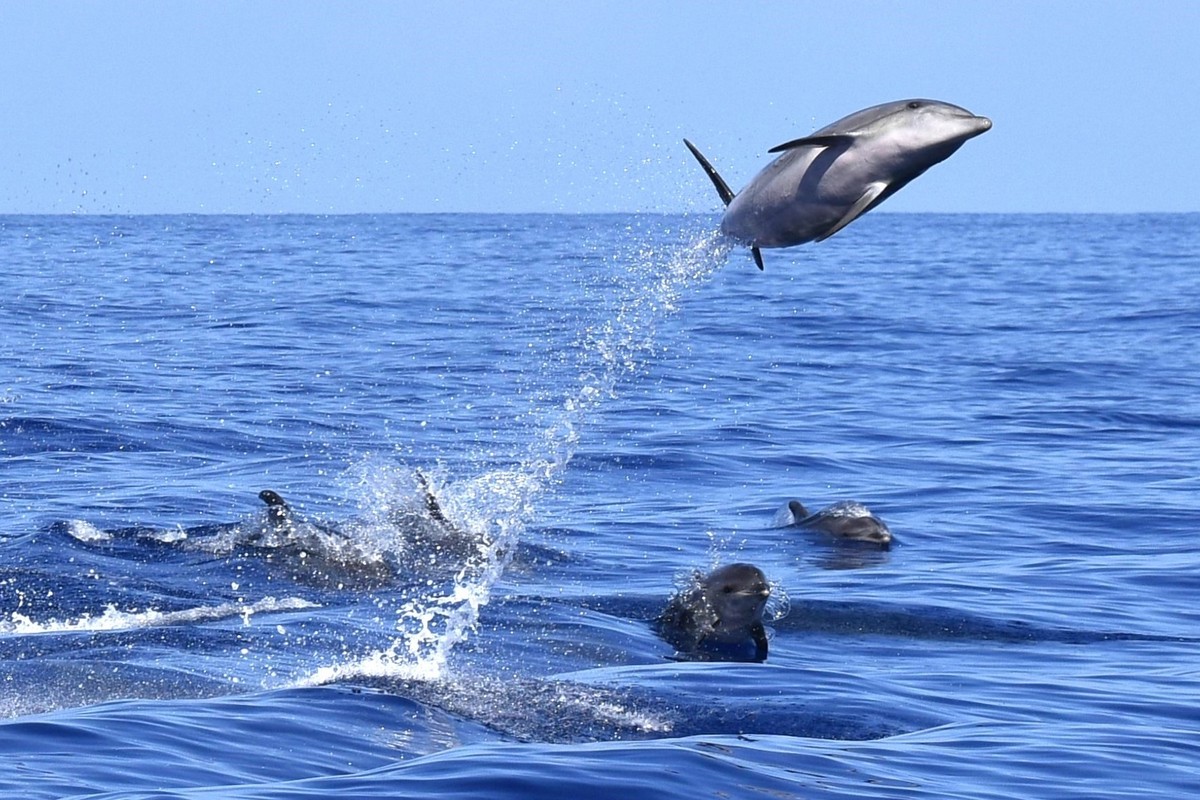
Whale and dolphin watching in Sri Lanka runs on two coasts and two calendars. The south coast — Mirissa, Galle, Weligama — gets blue whales from November to April. The east coast, out of Trincomalee, takes over from May to September. Get the season wrong and you will spend a beautiful morning on a boat seeing nothing.
Last updated: November 2026 · By Dhanushika Hewa Paththinige, Amazing Escapes Tours
Whale Watching in Sri Lanka — The Quick Answer
| Detail | 2026 answer |
|---|---|
| South coast season | November to April, best December to March, from Mirissa and Galle |
| East coast season | May to September, from Trincomalee |
| Departure time | Boarding around 6:00-6:30 AM, back by late morning |
| Trip length | 3 to 5 hours, with 2 to 3 hours actively searching |
| Shared big boat price | US$50-65 per adult, including the US$20 government wildlife tax |
| What you will see | Blue whales, sperm whales, Bryde’s whales, spinner, common and bottlenose dolphins |
| Seasickness | Real on the south coast swells; take tablets the night before, not on the boat |
Where to Go — Three Bases, Three Experiences
Mirissa is the capital of Sri Lankan whale watching and the shortest run to the continental shelf, where the water drops and the whales feed. Galle is 45 minutes west and works as a base because most tours pick up along the south coast. Weligama is 15 minutes north of Mirissa and suits surfers who want a whale morning and a wave afternoon.
Trincomalee is the alternative for anyone travelling between May and September. The east coast season is shorter and less famous, but the boats are quieter and the sea is calmer than the south coast swells. Our whale watching Mirissa Sri Lanka page covers the south coast tour in detail; this page is about choosing between the coasts.
Things to Do in Trincomalee Around a Whale Trip
Whale trips out of Trincomalee leave early and put you back on land well before lunch, which leaves an afternoon. The town wraps around one of the largest natural harbours in the world, and its sights sit within ten minutes of each other.
Thirukoneswaram Kovil is the one to build the day around: the Hindu temple sits on Swami Rock, on the cliff inside Fort Frederick, and the walk in through the fort gates is part of the visit. Fort Frederick is a Portuguese-Dutch fort still in army hands, with deer grazing on the ramparts. Uppuveli and Nilaveli are the two swimming beaches north of town, and Pigeon Island — a short boat ride off Nilaveli — is the snorkelling and diving trip we pair with a Trincomalee whale morning. Kanniya hot water springs and Dutch Bay fill the rest of a slow afternoon.
Come between May and September and you get the east coast at its calmest. Our best beaches in Sri Lanka guide covers Nilaveli and Pigeon Island in more detail.
What You Will Actually See
The blue whale is the reason people come: the largest animal that has ever lived, up to 30 metres long and over 150 tons, and it feeds within an hour of Mirissa harbour. Sperm whales surface to rest between deep dives and show their distinctive blunt heads. Bryde’s whales appear year-round.
Dolphins are close to guaranteed on a south coast trip. Spinner dolphins travel in pods of hundreds and ride the bow wave for minutes at a time; common and bottlenose dolphins join them. In the warmer months whale sharks and sea turtles turn up as well.
Seasons by Coast — the Part People Get Wrong
The southwest monsoon decides the south coast season. From November the sea flattens, the plankton blooms along the shelf edge and the whales come close inshore; by April the monsoon returns and the boats stop. The east coast is the mirror image — May to September, when the southwest monsoon is hammering the south.
That means Sri Lanka has a whale season in every month of the year, but never on both coasts at once. If your dates are fixed, the coast is not a preference, it is arithmetic. Our best time to visit Sri Lanka guide maps the same logic month by month.
What a Trip Includes and What It Costs in 2026
A shared big boat tour runs US$50-65 per adult including the US$20 government wildlife tax, which is where most of the honesty in the pricing sits — operators who quote US$25 are usually not paying it. Big boats carry 30 to 60 passengers, are stable, and are the right choice if anyone in the party gets seasick.
Private speed boats carry 6 to 12 passengers, reach the whales faster and can manoeuvre for a better view. They cost more, and they are worth it for photographers and couples. Every trip we run includes a licensed boat, an experienced crew, life jackets and hotel pickup from Mirissa, Weligama, Galle, Koggala and most south coast hotels.
Ethical Watching — and Why It Gets You Better Sightings
Rules exist for a reason: approach from the side, never cut across a whale’s path, keep the distance, and cut the engines rather than chase. Boats that chase produce short, stressed surfaces and photographs of backs. Boats that wait produce whales that stay up, breathe, and roll.
Ask any operator two questions before you book: how close do you approach, and do you stop the engine. If the answer is vague, choose someone else. We do not run dolphin-swim or whale-touch trips, and we will not put you on a boat that does.
Seasickness, Children and Practicalities
The south coast swell is real between December and February. Take seasickness tablets the night before and again an hour before boarding, eat something plain, and stay on deck in the fresh air rather than below. Children are fine on the big boats — under-fives usually travel free — but keep them close on deck.
Bring a light jacket, because it is cold before sunrise, plus sun protection for the run home, water, and a camera with a longer lens than you think you need. Whales surface 50 to 100 metres out more often than they surface beside the boat.
Frequently Asked Questions
What is the best time for whale watching in Sri Lanka?
November to April on the south coast from Mirissa and Galle, peaking December to March when the southwest monsoon has ended. From May to September the season moves to Trincomalee on the east coast. One coast is always in season, never both at once.
Can you see whales from Galle?
Yes. Galle is about 45 minutes from Mirissa and most tours include pickup there, so you can base yourself inside the fort and still be on the water by 6:30 AM. Weligama, Koggala, Matara and Unawatuna all work the same way.
Is whale watching in Trincomalee worth it?
Yes, if you are travelling between May and September. The east coast season is shorter and less crowded, the sea is calmer than the south coast swells, and blue whales still pass. It is also the only option in the Sri Lankan summer.
How much does whale watching in Sri Lanka cost?
A shared big boat tour is US$50-65 per adult including the US$20 government wildlife tax. A private speed boat for 6 to 12 passengers costs more per trip but less per person in a group, and it reaches the whales faster.
Do you actually see dolphins, or just whales?
Dolphins are close to guaranteed on the south coast. Spinner dolphins appear in pods of hundreds and ride the bow wave, joined by common and bottlenose dolphins. Many guests rate the dolphin pods higher than the whale sighting itself.
What time do the boats leave?
Boarding is around 6:00-6:30 AM and you are usually back ashore by late morning. The sea is calmest and the light is best in the first three hours, and the whales are feeding rather than travelling by then.
Will I get seasick?
Possibly, on the south coast between December and February. Take tablets the night before, eat something plain, and stay on deck. Big boats are far more stable than speed boats, and children under five generally travel free on them.
Can you combine whale watching with a safari?
Yes, and it is our most popular wildlife pairing. Watch whales in Mirissa one morning, drive two and a half to three hours to Yala, and safari the next dawn. Our Yala safari tour package covers the park side.
Is whale watching ethical in Sri Lanka?
It can be. The difference is whether boats approach from the side, keep their distance and cut engines, or chase. Ask before you book. We do not sell swim-with-dolphin or whale-touch trips, and we stop the engine whenever the animals are close.
What should I bring on a whale watching trip?
A light jacket for the cold run out, sun protection, water, and binoculars if you have them. A camera with a longer lens helps, because most sightings are 50 to 100 metres from the boat rather than alongside it.
Is it worth visiting Trincomalee?
Yes, especially between May and September when the east coast is calm. Trincomalee has Thirukoneswaram Kovil on Swami Rock inside Fort Frederick, the Uppuveli and Nilaveli beaches, Pigeon Island for snorkelling and diving, the Kanniya hot water springs and Dutch Bay.
Book Whale and Dolphin Watching
We run both coasts: Mirissa and Galle from November to April, Trincomalee from May to September, with licensed boats, experienced captains and pickup along the coast. Our Mirissa whale watching page has the 2026 rates and the boat comparison, or you can request a quote with your dates and we will tell you which coast your trip falls on.