Table of Contents
The best time to visit Sri Lanka depends entirely on where you’re going and what you want to experience. But here’s the short answer most travelers are looking for: December to March is the prime season for the west and south coasts – think golden beaches, calm seas, and perfect safari conditions. However, if you’re heading to the east coast for surfing or uncrowded shores, May to September is your window. The best time to visit Sri Lanka is genuinely any time of year – the trick is knowing which coast to hit when.
We’ve been designing Sri Lanka tours for years, guiding travelers through monsoon seasons, festival periods, and everything in between. There’s no single “best” month – there’s only the right month for your trip. This guide breaks it all down, month by month, so you can plan with confidence.
Best Time to Visit Sri Lanka at a Glance – Quick Summary
| Month | West/South Coast | East Coast | Hill Country | Best For |
|---|---|---|---|---|
| January | ☀️ Dry & sunny | 🌧️ Wet | ☀️ Cool & clear | Beaches, cultural sites, hiking |
| February | ☀️ Perfect beach weather | 🌧️ Wet | ☀️ Best month for hiking | All-round best month |
| March | ☀️ Hot & dry | 🌧️→☀️ Transition | ☀️ Clear | Last month of peak season |
| April | 🌧️ Pre-monsoon | ☀️ Improving | ⛅ Warm | Shoulder season, Sinhala New Year |
| May | 🌧️ Monsoon begins | ☀️ Best for east | 🌧️ Wet | East coast beaches, low prices |
| June | 🌧️ Heavy rain | ☀️ Sunny & dry | 🌧️ Wet | East coast, cultural sites |
| July | 🌧️ Monsoon | ☀️ Peak east coast | 🌧️ Wet | Kandy Perahera, east coast |
| August | 🌧️ Monsoon | ☀️ Perfect | 🌧️ Wet | Perahera festival, Arugam Bay |
| September | 🌧️→☀️ Easing | ☀️ Last dry month | ⛅ Improving | Shoulder season, lower prices |
| October | ⛅ Mixed | 🌧️ Monsoon arrives | 🌧️ Wet | Shoulder season deals |
| November | ⛅ Improving | 🌧️ Heavy rain | ⛅ Cool & emerging | Pre-peak, good deals |
| December | ☀️ Peak season | 🌧️ Wet | ☀️ Cool & crisp | Beaches, holidays, Adam’s Peak |
☀️ = Dry/Good | 🌧️ = Rainy/Monsoon | ⛅ = Mixed/Shoulder
Sri Lanka’s Two Monsoons & Monsoon Season Dates – How They Affect Your Trip
Understanding Sri Lanka’s two monsoon seasons is the secret to planning a perfect trip. Unlike many tropical destinations where the entire country gets drenched simultaneously, Sri Lanka’s monsoons hit different coasts at different times. This means there’s practically always a dry corner of the island waiting for you. For detailed climate data, check the Sri Lanka Department of Meteorology.
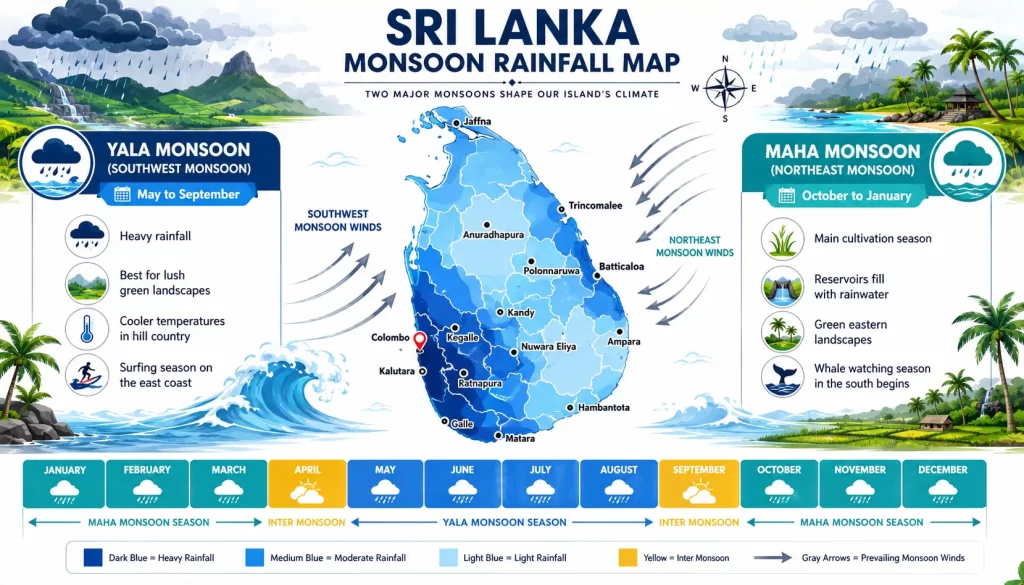
Sri Lanka Monsoon Season Dates — Yala Monsoon (May to August)
The southwest monsoon, known locally as the Yala monsoon, arrives from the Indian Ocean and batters Sri Lanka’s west and south coasts between May and August. Colombo, Bentota, Galle, and Mirissa see heavy rainfall during this period – sometimes torrential downpours that last for hours, then clear to reveal steaming streets and dramatic skies.
How it affects your trip: If you’re picturing sunny days on the south coast beaches between May and August, you’ll need to pivot. The ocean becomes rough, swimming is often unsafe, and whale watching tours are frequently cancelled. But here’s the upside – this is the best time for Sri Lanka’s east coast. Trincomalee, Pasikudah, and Arugam Bay enjoy clear skies, calm seas, and far fewer tourists. Surfers flock to Arugam Bay during these months for world-class waves.
Maha Monsoon (October to January)
The northeast monsoon (Maha) affects the east coast, north, and parts of the cultural triangle from October through January. While the west and south enjoy peak season during these months, the east gets hammered with heavy rain.
How it affects your trip: If you’re travelling between December and March, stick to the west and south coasts – you’ll have near-perfect weather. The ancient cities (Anuradhapura, Polonnaruwa, Sigiriya) can also be humid and rainy during the Maha monsoon, so plan those visits carefully.
The Hill Country Wildcard
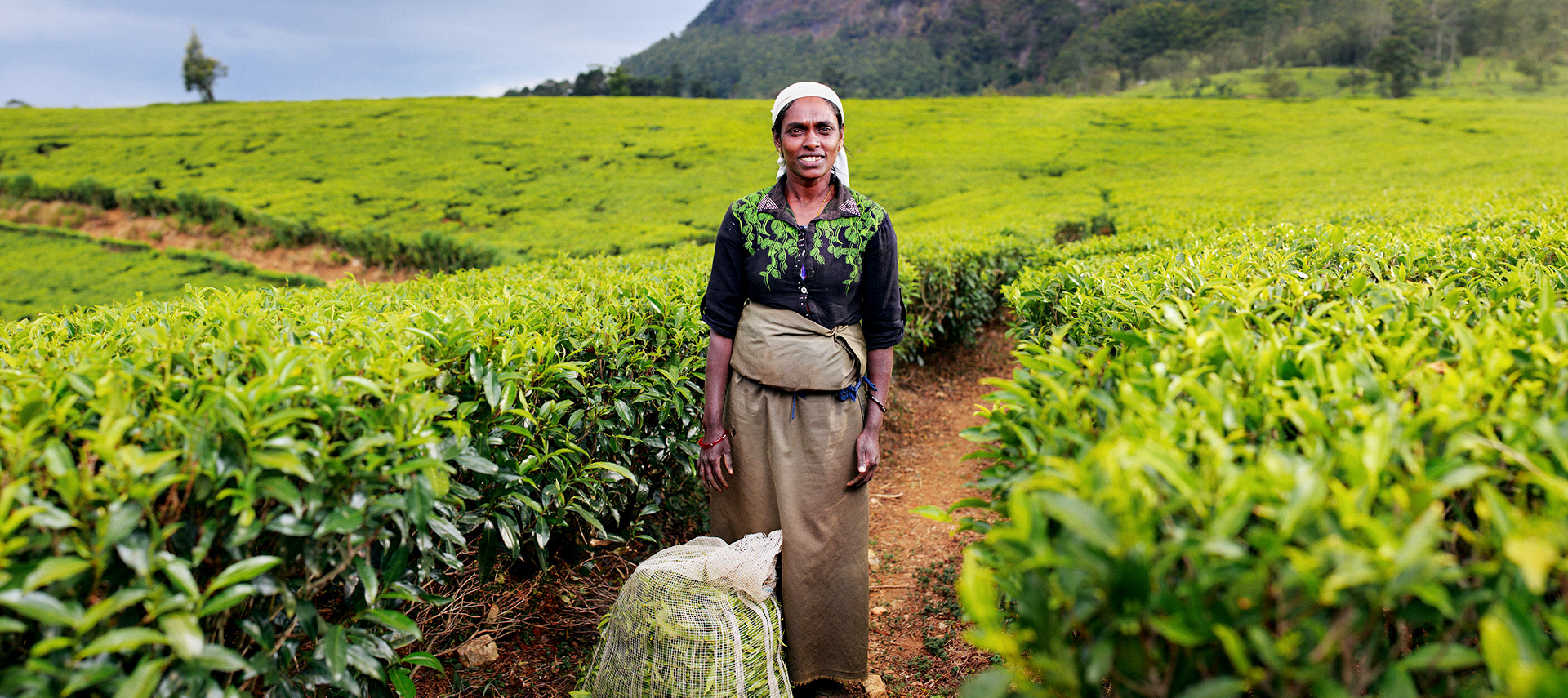
Sri Lanka’s hill country – Nuwara Eliya, Ella, and Kandy – dances to its own weather rhythm. Even during monsoon seasons, the hills can be surprisingly pleasant. December through March is the clearest period – the best time to visit Sri Lanka’s highlands if you’re planning long hikes. September and April are beautiful shoulder months too. Temperatures here hover around 15-18°C year-round, making it a refreshing escape from the coastal heat and a reminder that the best time to visit Sri Lanka varies dramatically by region.
Sri Lanka Weather by Month – Full 12-Month Breakdown
January
Temperature: 24-31°C (coast), 12-20°C (hills) | Rainfall: Very low on west/south coast, high on east coast
Best for: Beaches (Mirissa, Bentota, Hikkaduwa), cultural sites, hiking
January is peak season for a reason. The west and south coasts bask under cloudless skies, humidity is relatively low, and the sea is calm enough for snorkeling, diving, and whale watching. I always recommend January for first-time visitors because it is the best time to visit Sri Lanka for postcard-perfect tropical weather – you get that postcard-perfect tropical weather with minimal rain risk. If beach time is your priority, check out our places to visit in Sri Lanka – January is their prime month.
The hill country is cool and crisp. This is an excellent time to hike Adam’s Peak (the pilgrimage season runs December to mid-April) or explore the tea plantations around Nuwara Eliya. Pack a light jacket for the evenings – temperatures can drop to 10°C in the highlands.
February
Temperature: 25-32°C (coast), 13-21°C (hills) | Rainfall: Lowest across west/south
Best for: All-round travel, beaches, photography
If I had to pick a single “best” month for most travelers, February would be it. The weather is slightly less hot than March, rainfall is minimal, making February the best time to visit Sri Lanka for photographers, and conditions are perfect across every major tourist area on the west and south coasts. While February is the best time to visit Sri Lanka for all-round travel, Independence Day on February 4th brings parades, fireworks, and cultural displays – particularly in Colombo.
March
Temperature: 26-33°C (coast), 14-22°C (hills) | Rainfall: Rising slightly, last month of dry season
Best for: Beaches, wildlife, final month of peak
March is the tail end of the peak season. The weather is still predominantly dry, but temperatures are climbing and the occasional pre-monsoon shower starts appearing toward the end of the month. Wildlife viewing is excellent – animals congregate at water holes as the dry season peaks. Yala National Park and Udawalawe deliver reliable leopard and elephant sightings during March.
April
Temperature: 27-34°C (coast), 15-23°C (hills) | Rainfall: Pre-monsoon showers begin
Best for: Sinhala and Tamil New Year celebrations, budget deals
April is Sri Lanka’s shoulder season – and a fascinating time to visit despite the increasing humidity. The highlight is Sinhala and Tamil New Year (April 13-14), celebrated across the country with traditional games, sweet treats, and family gatherings. Prices drop noticeably from mid-April onward as peak season winds down. This is one of the cheapest times to visit Sri Lanka before the true off-season begins.
May
Temperature: 27-33°C (coast), 16-24°C (hills) | Rainfall: Monsoon arrives on west/south coast
Best for: East coast beaches, budget travel, Vesak celebrations
May marks the arrival of the Yala monsoon on the west and south coasts. Colombo, Bentota, Galle, and Mirissa get drenched. While it is not the best time to visit Sri Lanka’s south coast, the east shines. But don’t write off May – it’s the best month to visit Sri Lanka beaches on the east coast. Trincomalee’s beaches are at their finest now: calm seas, cloudless skies, and far fewer tourists than you’d find on the south coast in January. Vesak (Buddha’s birth, enlightenment, and passing) usually falls in May – the entire country is decorated with paper lanterns, free food stalls line the streets, and temples host ceremonies late into the night.
June
Temperature: 27-32°C (coast), 17-25°C (hills) | Rainfall: Heavy on west/south, dry on east
Best for: East coast, cultural sites, Poson festival
The west coast monsoon is in full swing, but the east coast couldn’t be more different – it’s the best time to visit Sri Lanka’s eastern beaches. June is peak season for Arugam Bay surfers and Trincomalee beach lovers. The cultural triangle (Sigiriya, Dambulla, Anuradhapura) also fares well during this period. Poson Poya, commemorating the arrival of Buddhism in Sri Lanka, falls in June – Anuradhapura and Mihintale host massive celebrations with thousands of devotees in white.
July
Temperature: 27-32°C (coast), 17-24°C (hills) | Rainfall: Monsoon continues on west coast
Best for: Kandy Esala Perahera, east coast beaches
July brings one of Sri Lanka’s most spectacular events: the Kandy Esala Perahera. This ten-day festival features elaborately decorated elephants, fire dancers, drummers, and whip-crackers parading through the streets of Kandy. It’s held during the full moon and draws crowds from across the country. Book accommodation in Kandy months in advance if you’re planning to attend.
August
Temperature: 27-32°C (coast), 16-24°C (hills) | Rainfall: Last month of west coast monsoon
Best for: Kandy Perahera finale, east coast surfing
The Kandy Perahera culminates in early August with its grandest procession. The monsoon is beginning to ease on the west coast – rain becomes less frequent toward the end of the month. Arugam Bay’s surf season is peaking – the best time to visit Sri Lanka for world-class waves, and the east coast is still basking in dry weather. August is also the month of the Nallur Festival in Jaffna – a 25-day Hindu festival with chariots, processions, and intense devotion.
September
Temperature: 27-31°C (coast), 15-23°C (hills) | Rainfall: Transition month, easing on both coasts
Best for: Shoulder season deals, all-region travel
September is a transitional shoulder month. The Yala monsoon is fading on the west coast, and the Maha monsoon hasn’t yet arrived on the east coast. This creates a sweet spot where most of the country is accessible. Prices are significantly lower than peak season and tourist numbers are at their lowest, making September the best time to visit Sri Lanka for budget-savvy explorers. It’s one of the cheapest times to visit Sri Lanka.
October
Temperature: 26-31°C (coast), 15-23°C (hills) | Rainfall: Inter-monsoon, unpredictable across the country
Best for: Budget travel, cultural sites
October is Sri Lanka’s wettest month alongside November, with the inter-monsoon period bringing heavy but short-lived downpours. It’s the cheapest time, but not the best time to visit Sri Lanka if beach weather is your priority – hotels are deeply discounted, and flights are at their lowest.
November
Temperature: 26-30°C (coast), 14-22°C (hills) | Rainfall: Maha monsoon hits east coast, west coast improving
Best for: Pre-peak season deals, south coast beginning to open
November is a tale of two coasts. The east coast gets hammered by the Maha monsoon, while the south and west coasts start clearing. By mid-November, Bentota and Mirissa are emerging from the monsoon and looking promising for beach days. Hotel prices haven’t yet climbed to December levels, making this a good-value window for travelers who ask when is the best time to visit Sri Lanka without the crowds.
December
Temperature: 24-30°C (coast), 12-20°C (hills) | Rainfall: Peak dry season begins on west/south, monsoon continues on east
Best for: Beaches, holidays, Adam’s Peak pilgrimage, festivals
December through March is the best time to visit Sri Lanka for beach lovers, and December itself is magical. The west and south coasts are in full swing – calm seas, cloudless skies, and that perfect tropical warmth. This is peak tourist season. Prices are at their highest, and popular spots like Mirissa, Ella, and Sigiriya are busy. Book accommodation and transport well in advance. Adam’s Peak pilgrimage season starts in December – if you’re keen to make the pre-dawn climb with thousands of devotees, this is the window.
Sri Lanka Peak Season vs Off Season – Pros & Cons
| Peak Season (Dec-Mar) | Off Season (May-Aug) | |
|---|---|---|
| Weather | ☀️ Sunny west/south, reliable | 🌧️ Wet west/south, sunny east |
| Crowds | Busy – book ahead | Quiet – no queues |
| Prices | Highest of the year | 30-50% cheaper |
| Beaches (west/south) | Perfect | Rough seas, frequent rain |
| Beaches (east coast) | Monsoon season | ☀️ Best time |
| Wildlife | Excellent – animals at water holes | Good on east coast parks |
| Festivals | Duruthu Perahera, Adam’s Peak | Kandy Esala Perahera, Vesak, Poson |
Verdict: If you want guaranteed beach weather on the classic south coast routes, the best time to visit Sri Lanka is definitely during peak season. If you’re flexible, budget-conscious, and willing to explore the east coast, the off-season delivers incredible value with far fewer crowds.
Best Month to Visit Sri Lanka Beaches
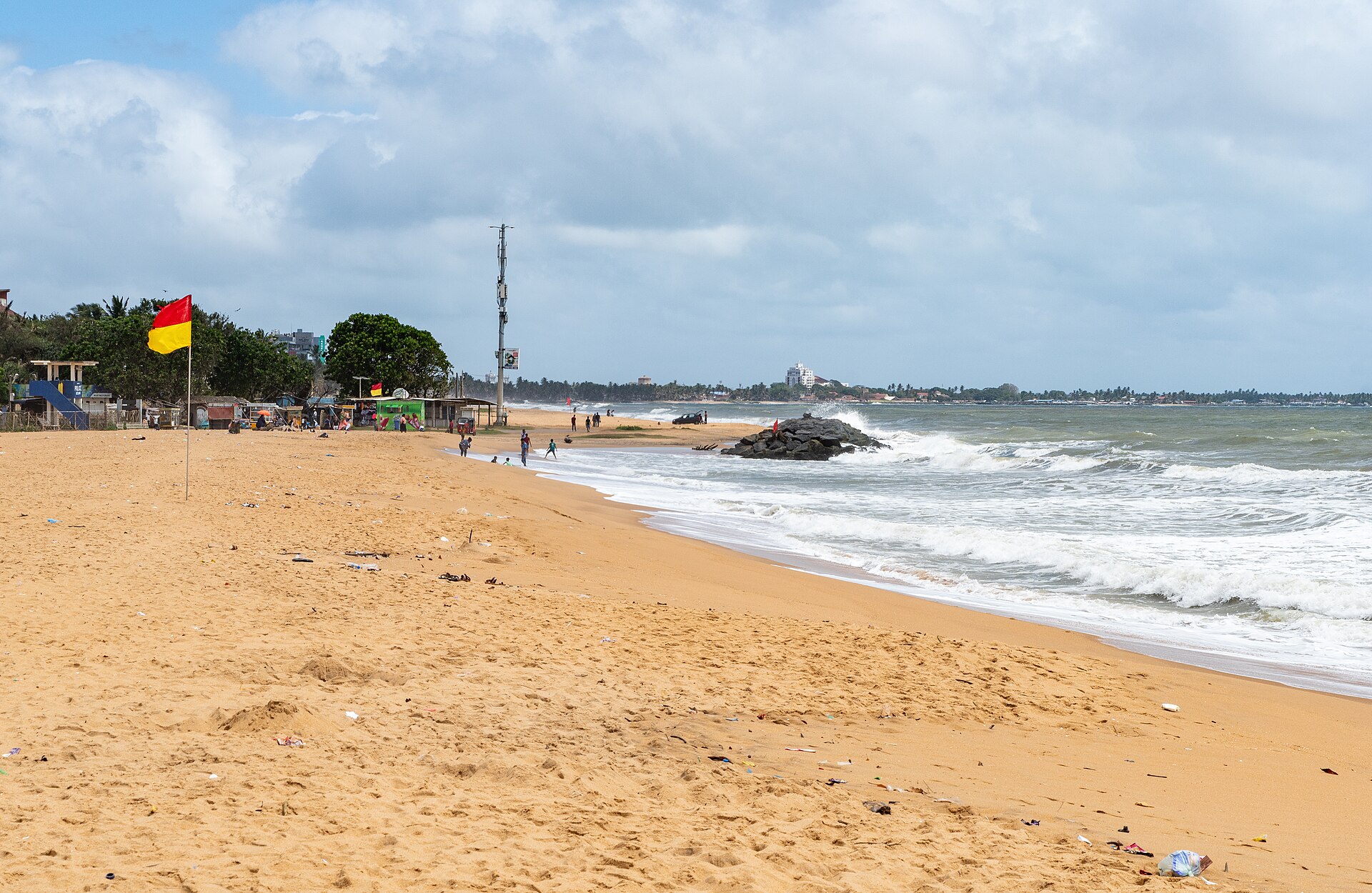
The best time to visit Sri Lanka for beaches depends entirely on which coast you’re targeting. Here’s how to pick the right stretch of sand for your travel dates:
South Coast (Mirissa, Unawatuna, Hikkaduwa, Galle): December to March is prime – the best time to visit Sri Lanka’s southern beaches with January and February as the sweetest months. Calm seas, perfect for swimming and whale watching.
West Coast (Bentota, Negombo, Mount Lavinia): Same as the south – December through March is the best time to visit Sri Lanka’s western shores. Bentota’s lagoon is particularly stunning in January and February.
East Coast (Trincomalee, Pasikudah, Arugam Bay): May to September is the best time to visit Sri Lanka’s eastern coastline – turquoise water, white sand, and dramatically fewer tourists than the south coast gets in January.
What most tourists don’t realize: You can have a phenomenal beach holiday in Sri Lanka in any month once you understand the best time to visit Sri Lanka for each coastline. You just need to be on the right coast. We frequently design itineraries that pivot based on the season – south and west in December-March, east in May-September, and shoulder-season flexibility in between.
Cheapest Time to Visit Sri Lanka
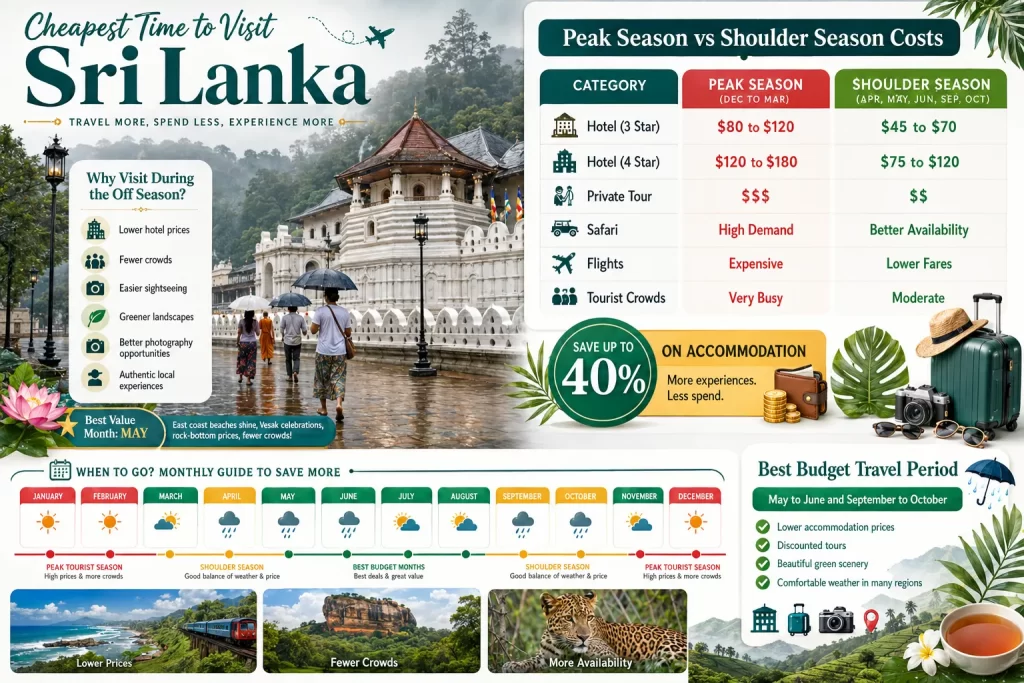
While the best time to visit Sri Lanka for weather is December to March, the cheapest time to visit Sri Lanka falls during the shoulder and off-season months, particularly April (second half), May, September, and October. During these months, which are the cheapest but not always the best time to visit Sri Lanka for weather, you’ll find:
- Hotel prices: 30-50% lower than peak season rates. Luxury hotels that charge $300/night in January drop to $120-180 in May.
- Flight costs: International flights to Colombo are noticeably cheaper outside December-March and July-August (European summer holidays).
- Tour prices: Our tour packages are more affordable during these months, with greater availability for last-minute bookings.
- Fewer crowds: Sigiriya, Yala, and the Temple of the Tooth are virtually empty compared to peak season.
Best value month: May. East coast beaches are at their finest during this underrated period, Vesak celebrations light up the island, and prices are rock-bottom. If you’re flexible about which coast you visit, May might just be the best time to visit Sri Lanka on a budget. Just avoid the south coast beaches – they’re under full monsoon.
Best Time for Wildlife & Safaris
| Wildlife Experience | Best Months | Notes |
|---|---|---|
| Leopards (Yala NP) | Jan-Apr, Jul-Sep | Dry months = water hole congregations |
| Elephant Gathering (Minneriya) | Jul-Oct | World’s largest gathering of Asian elephants |
| Blue Whales (Mirissa) | Nov-Apr | Peak sightings in Jan-Mar |
| Blue Whales (Trincomalee) | Jun-Sep | Less crowded than Mirissa |
| Dolphins (Kalpitiya) | Nov-Mar | Spinner dolphins in huge pods |
| Birds (Sinharaja, Kumana) | Nov-Apr | Migratory season brings diverse species |
| Sloth Bears (Yala, Wilpattu) | May-Jul | Palu fruit season, best sightings |
Insider tip from our guides: The Minneriya Elephant Gathering (July through October) is arguably Sri Lanka’s greatest wildlife spectacle – and yet another reason the best time to visit Sri Lanka depends on what you want to see. Hundreds of elephants converge around the Minneriya Tank in the dry season. It’s a phenomenon recognized by UNESCO and far less known than African safaris – yet equally impressive. You can experience it on our Yala safari experiences.
Best Time for Cultural Sites & Hill Country
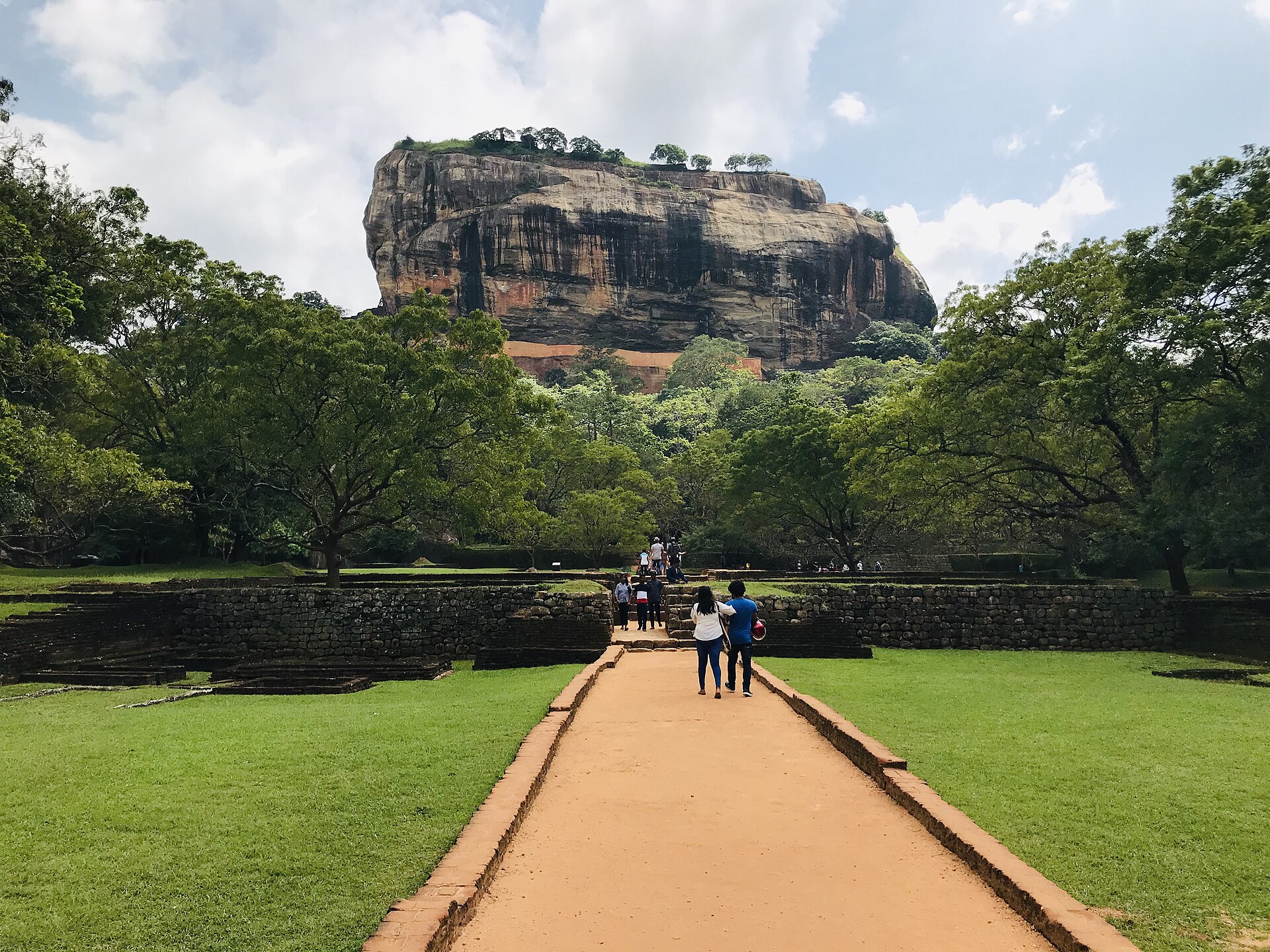
Cultural Triangle (Sigiriya, Anuradhapura, Polonnaruwa, Dambulla): January to April and August to September are the best time to visit Sri Lanka’s ancient cities. The dry zone gets genuinely hot (30-33°C), so plan temple visits early morning or late afternoon. October through December brings the Maha monsoon – humid and occasionally rainy, but far less crowded.
Hill Country (Kandy, Nuwara Eliya, Ella): December to March offers the clearest weather and the best time to visit Sri Lanka’s tea country with cool, crisp days perfect for hiking and plantation visits. The train ride from Kandy to Ella is at its most spectacular during these months. January mornings in Nuwara Eliya can be chilly – bring that fleece.
Kandy: The city has a slightly wetter climate year-round, but January-March and August-September are the driest periods. While the best time to visit Sri Lanka’s hill capital varies, Kandy shines most during the Esala Perahera (July/August), when the city transforms into a festival of fire, drums, and elephants.
Festival Calendar – Plan Around Sri Lanka’s Celebrations
| Month | Festival | Location | What to Expect |
|---|---|---|---|
| January | Duruthu Perahera | Colombo | Elephants, dancers, fire |
| February | Independence Day | Nationwide | Parades, fireworks |
| March | Maha Shivaratri | Nationwide | Hindu temple ceremonies |
| April | Sinhala & Tamil New Year | Nationwide | Games, feasts, traditions |
| May | Vesak Poya | Nationwide | Lanterns, free food, temples |
| June | Poson Poya | Anuradhapura | Buddhist pilgrimage |
| July/August | Kandy Esala Perahera | Kandy | Grandest festival in Sri Lanka |
| August | Nallur Festival | Jaffna | 25-day Hindu festival |
| October | Deepavali | Nationwide | Festival of lights |
| December | Adam’s Peak Season | Adam’s Peak | All-night pilgrimage climb |
Frequently Asked Questions
What is the rainy season in Sri Lanka?
Sri Lanka has two monsoon seasons: the Yala monsoon (May to August) affects the west and south coasts, while the Maha monsoon (October to January) affects the east coast and north. This means one coast is usually dry while the other gets rain – there’s rarely a time when the entire country is wet – and that is why the best time to visit Sri Lanka depends entirely on which coast you choose.
Is Sri Lanka good to visit in summer?
Yes, but stick to the east coast. June, July, and August are the peak months for Trincomalee, Pasikudah, and Arugam Bay. The Kandy Esala Perahera (July/August) is also one of Asia’s greatest cultural festivals. Avoid the south and west coast beaches during summer unless you don’t mind rain – the best time to visit Sri Lanka for classic beach photos is December through March.
When is the best time for whale watching in Sri Lanka?
November to April in Mirissa (south coast) and June to September in Trincomalee (east coast). January through March offers the highest probability of blue whale sightings off Mirissa – we’ve had tours on our whale and dolphin watching trips where we spotted six or seven whales in a single morning.
What is the hottest month in Sri Lanka?
March and April are typically the hottest months, with coastal temperatures reaching 33-34°C. The hill country stays cooler (15-23°C) even during these months. If you struggle with heat, plan your visit between December and February, the best time to visit Sri Lanka for cooler temperatures, or stick to the highlands.
Can I travel to Sri Lanka during the monsoon?
Absolutely – and it’s a great strategy. The best time to visit Sri Lanka is honestly any month, as long as you position yourself on the dry coast (east coast in May-September, west/south coast in December-March), you’ll enjoy excellent weather year-round. Our custom itineraries are designed around exactly this principle. Plus, off-season travel means lower prices and fewer crowds.
How far in advance should I book for the peak season?
For the best time to visit Sri Lanka – December through March – we recommend booking at least 3-4 months ahead, especially if you want specific hotels or need a private driver. The best accommodations fill up quickly, and good guides are in high demand. For the Kandy Esala Perahera (July/August), book 4-6 months ahead.
Is November a good time to visit Sri Lanka?
It’s a mixed month. The south and west coasts are emerging from the monsoon and improving by mid-November, while the east coast is entering its rainy season. The cultural triangle and hill country are increasingly pleasant. Prices are lower than the peak December-January period, making November a decent shoulder-season option – though not the best time to visit Sri Lanka for guaranteed sunshine.
Do I need to worry about cyclones in Sri Lanka?
Serious cyclones are rare. Sri Lanka’s position close to the equator means it’s generally outside the main tropical cyclone belt. The most likely window for storm systems is October through December, but even then, direct hits are uncommon, so even during storm season the best time to visit Sri Lanka remains manageable with flexibility. Our team monitors weather conditions continuously and adjusts itineraries if needed.
Plan Your Trip – Let Us Handle the Weather
At Amazing Escapes Tours, we believe the best time to visit Sri Lanka depends more on what you want to experience than any single calendar month. We’ve spent years navigating Sri Lanka’s weather by month and seasonal patterns. We know exactly when each destination shines – and when to avoid it. Every itinerary we design factors in the Sri Lanka monsoon season dates, festival calendars, and your personal travel style. For official travel guidance, visit the Sri Lanka Tourism Board.
Whether you’re chasing the perfect beach holiday, a wildlife-rich safari, or a deep dive into Sri Lankan culture and history, the best time to visit Sri Lanka is the one that matches your travel dreams. And we’ll help you find it.
Get a Custom Sri Lanka Tour Quote →
About the Author: Dhanushika Hewa Paththinige is a senior travel consultant at Amazing Escapes Tours, based in Kandy, Sri Lanka. With over five years of experience designing custom itineraries across the island, she has guided hundreds of travelers through Sri Lanka’s diverse landscapes, climate zones, and cultural treasures. When not planning trips, she’s exploring Sri Lanka’s national parks or hunting down the island’s best rice and curry.
4 Comments
Comments are closed.
Sri Lanka vs Bali for Holiday - Honest Comparison Guide 2026
[…] month-by-month best time to visit Sri Lanka guide breaks down every month on both coasts. The short version: Bali gives you one reliable […]
Sri Lanka Budget Travel 2026 - Complete Cost Guide
[…] a full seasonal picture, see our best time to visit Sri Lanka guide — timing alone can cut your costs by […]
10 Best Beaches in Sri Lanka - 2026 Paradise Coast Guide
[…] month-by-month guide to the best time to visit Sri Lanka breaks the weather down week by week if you are still choosing […]
Sri Lanka Cultural Triangle Tour — Complete 2026 Guide
[…] The Cultural Triangle sits in Sri Lanka’s dry zone, which means it does not follow the beach calendar. The best time to visit the ancient cities is January to April and again from August to September. It is the same window we publish in our month-by-month Sri Lanka weather guide. […]